
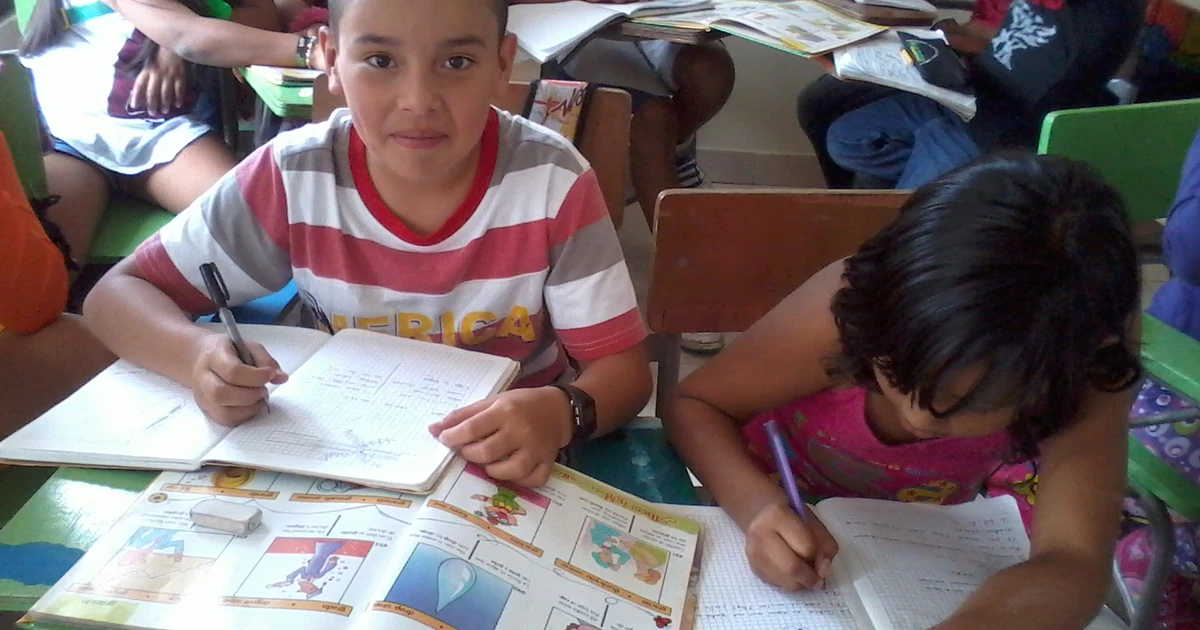
Home education in the Swiss Confederation presents one of the most decentralized regulatory landscapes in the world. Under Article 62 of the Swiss Federal Constitution, legislative and administrative authority over primary and secondary education resides almost entirely within the sovereignty of the 26 individual cantons[4]. As highlighted in our comparative guide to Swiss cantonal homeschooling regulations, the absence of a federal mandate creates contrasting environments often separated only by cantonal borders.
In a landmark decision, the Swiss Federal Supreme Court (Bundesgericht / BGer, BGE 145 I 108) confirmed that parents have no fundamental constitutional right to homeschool under the Federal Constitution, leaving each canton fully empowered to permit, regulate, or categorically prohibit private home tuition (Privatunterricht)[3]. A direct comparison between the German-speaking Canton of Zurich and the French-speaking Canton of Vaud illustrates these regulatory philosophies.
1. Canton of Zurich: The Strict Lehrdiplom Standard
The Canton of Zurich operates one of the most restrictive regulatory models in German-speaking Switzerland[1]. Administered through the Volksschulamt of the Cantonal Education Directorate (Bildungsdirektion Kanton Zürich), home instruction is permitted only under strict professional constraints.
Key statutory requirements in Zurich include:
- The Teaching Diploma Prerequisite (Lehrdiplom): Anyone delivering long-term private instruction must hold an official state teaching diploma (Lehrdiplom) for the respective school tier (primary or secondary level) recognized by the Swiss Conference of Cantonal Ministers of Education (EDK)[1].
- The One-Year Grace Window: Parents without a formal teaching credential may be granted authorization to teach their own child for a maximum transitional window of one academic year. After this initial year, private instruction must be conducted by a certified teacher.
- Rigorous Authorization Workflows: Families must submit detailed weekly schedules, lesson allocations, and proof of teacher employment to the Volksschulamt prior to commencement.
- Curriculum Compliance with Lehrplan 21: Instruction must align closely with the competencies and subject distribution of Lehrplan 21, verified through annual inspections by cantonal school inspectors.
Families teaching secondary coursework in German-speaking cantons can explore our guide to rigorous conceptual math curricula to ensure advanced computational standards match cantonal benchmarks.
2. Canton of Vaud: Liberal Notification and Pedagogical Advising
In sharp contrast to Zurich’s credentialing restrictions, the Canton of Vaud in Romandie (French-speaking Switzerland) maintains one of the most accessible and progressive home education frameworks in Europe[2].
Under the Vaudois Law on Compulsory Education (Loi sur l’enseignement obligatoire / LEO):
- Zero Teaching Diploma Requirement: Parents in Vaud are not required to possess a university teaching degree, certification, or pedagogical diploma to instruct their own children[2].
- Notification-Based Administrative Process: Families notify the General Directorate of Compulsory Education (Direction générale de l’enseignement obligatoire / DGEO) and their local school authority before the start of the school term.
- Dedicated Pedagogical Advisors (Conseillers pédagogiques): Rather than punitive inspections, Vaud employs specialized pedagogical advisors who visit families once or twice annually. These advisors review portfolios, observe learning environments, and offer constructive methodological guidance.
- Cantonal Reference Tests (ECR): To objectively monitor equivalence with the regional French curriculum (Plan d’études romand / PER), homeschooled children sit periodically for standard cantonal reference examinations (Épreuves Cantonales de Référence).
| Regulatory Dimension | Canton of Zurich (Strict) | Canton of Vaud (Liberal) |
|---|---|---|
| Legal Framework | Volksschulgesetz & Lehrpersonalgesetz | Loi sur l’enseignement obligatoire (LEO) |
| Teacher Credential | Mandatory Lehrdiplom (after 1 year max) | No diploma required for parents |
| Administrative Entry | Formal permit application to Volksschulamt | Annual written notification to DGEO |
| Regional Curriculum | Lehrplan 21 (German) | Plan d’études romand - PER (French) |
| Testing / Oversight | Annual cantonal inspection audits | Pedagogical advisor visits + ECR tests |
3. Other Cantonal Realities Across the Swiss Federation
Beyond Zurich and Vaud, Switzerland’s remaining cantons span a spectrum of regulatory models[4]:
- Total Prohibition: Cantons such as Valais and Basel-Stadt prohibit elective home education entirely, permitting private schooling only within registered, accredited private school buildings.
- Intermediate Notification / Permit Models: Cantons like Bern, Aargau, Neuchâtel, and Geneva allow home education without teacher diplomas, but subject families to mandatory home visits, portfolio audits, or standardized tracking.
Parents managing multiple languages across Swiss curricula can consult our review of multisensory phonics and language development for evidence-based literacy methods.
4. Practical Strategic Advice for Swiss Families
Because cantonal residency dictates educational law, families planning to homeschool in Switzerland must carefully evaluate cantonal boundaries before signing residential leases:
- Verify Cantonal Legislation: Consult the specific cantonal education department (Erziehungsdepartement or Département de la formation) directly.
- Document Portfolio Evidence: Maintain structured portfolios documenting language arts, mathematics, sciences, and humanities with clear cross-references to Lehrplan 21 or PER.
- Engage Professional Legal Counsel: In cantons with strict oversight, joining regional homeschool advocacy organizations (such as Bildung zu Hause Schweiz or Instruction en Famille) ensures timely legal advice.
5. Cantonal Relocation and Administrative Due Diligence
Given the dramatic divergence in cantonal educational statutes, families frequently relocate across cantonal borders to maintain lawful home education. When executing an inter-cantonal move:
- Formal De-Registration from Previous Canton: Submit written notification to the departing canton’s school inspectorate, settling all pending portfolio reviews.
- Check Municipal Registry Timelines: Register at the new municipal resident services (Einwohnerkontrolle / Contrôle des habitants) within the statutory 14-day window.
- Submit Timely Notice to New Education Authority: File notification with the new canton’s education department before the local school term commences to prevent truancy inquiries.
6. Frequently Asked Questions on Swiss Homeschooling
Can parents hire private tutors without a Lehrdiplom in Zurich?
In Zurich, any tutor delivering core curriculum instruction beyond the one-year grace window must possess an EDK-recognized teaching diploma. Hiring private uncertified university students or online foreign tutors does not fulfill the legal requirement.
How does the Canton of Bern regulate home schooling?
The Canton of Bern permits home education without a teaching diploma for up to several years, provided parents notify the school inspection authorities and adhere to Lehrplan 21 competencies evaluated through periodic municipal visits.
Can Swiss homeschooled students sit for the Swiss Federal Matura?
Yes. Home-educated students in Switzerland can register as external candidates for the Swiss Federal Matura examination (Eidgenössische Maturitätsprüfung), administered twice a year in regional examination centres across the country.
Disclaimer: This post is for informational and educational purposes only, accurate to the best of our knowledge at publication. It does not constitute advice. We do not guarantee accuracy or completeness and accept no liability for any decisions or losses resulting from reliance on this content.