
Yamaha, Prodigies Music, and Alfred Music lead the 2026 Black Friday homeschool music sales with discounts reaching 30% to 45% on three-piece soprano recorders, video ear-training memberships, and workbook packages. Introducing musical literacy at home has historically overwhelmed non-musical parents, but modern video-guided programs and affordable acoustic instruments make structured fine arts accessible to every family.
In this guide, we review baroque versus German recorder fingering systems, solfege ear-training methodologies, Kodaly hand signs, rhythm slate drills, and homeschool fine arts accreditation before seasonal holiday discounts conclude on Cyber Monday.
2026 Black Friday Homeschool Music & Recorder Curricula Comparison
The comparison table below outlines instrument quality, theory curriculum scope, and holiday promotional pricing across leading music education providers:
| Publisher / Manufacturer | Program / Instrument | Regular Price | Black Friday Price | Target Age Group | Core Musical Focus |
|---|---|---|---|---|---|
| Yamaha | YRS-24B Soprano Recorder & Cotton Bag | $12.99 | $8.44 (35% Off) | Ages 5–12 | Baroque fingering acoustic instrument |
| Prodigies Music | Complete Video Curriculum Annual Pass | $179.00 | $107.40 (40% Off) | Ages 3–12 | Chromatic deskbells & solfege ear training |
| Alfred Music | Essentials of Music Theory Complete (Books 1–3) | $42.50 | $27.62 (35% Off) | Grades 3–12 | Written notation, intervals & audio ear tests |
| Zeeok Music | My First Recorder Homeschool Starter Kit | $34.99 | $22.74 (35% Off) | Ages 5–10 | Color-coded note book & silicone cleaning rod |
| Suzuki Music | Recorder School Volume 1 with Audio Tracks | $19.99 | $13.99 (30% Off) | All Ages | Mother-tongue auditory immersion method |
The Recorder: Gateway to Instrumental and Orchestral Literacy
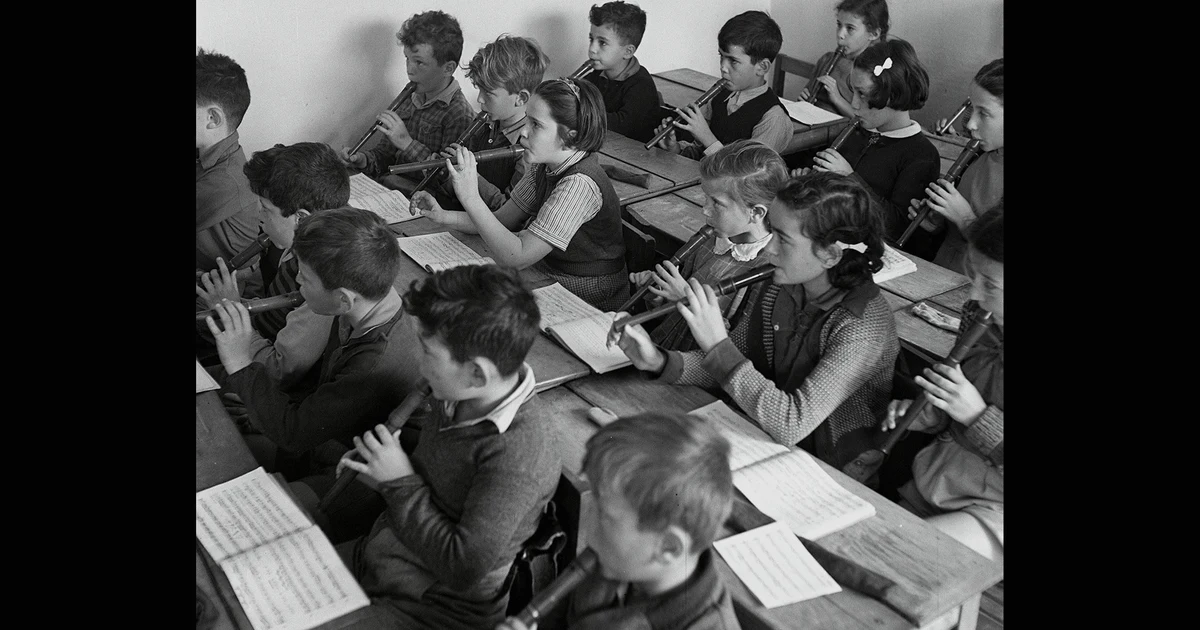
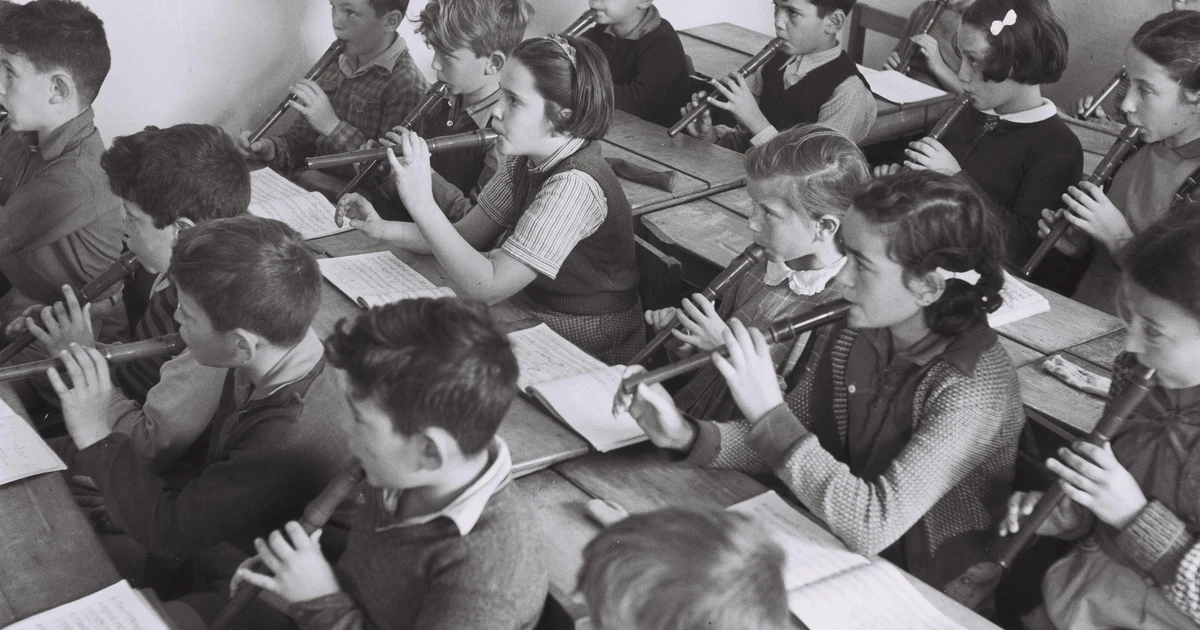
Many parents remember the screeching plastic recorders of their public elementary days with dread. However, when taught through deliberate technique and proper acoustic instruments, the soprano recorder is an authentic Renaissance woodwind that develops foundational musicianship:
+--------------------------------------------------------------------------+
|                  GERMAN VS. BAROQUE FINGERING SYSTEMS                    |
+--------------------------------------------------------------------------+
|  GERMAN FINGERING RECORDER                                               |
|  - 5th hole from top is smaller than 4th hole                            |
|  - Plays basic C major scale with straight sequential finger lifts       |
|  - Critical drawback: Sharp and flat accidentals are severely out of tune|
|  - Avoid for serious music study; causes bad pitch habits                |
+--------------------------------------------------------------------------+
|  BAROQUE (ENGLISH) FINGERING RECORDER                                    |
|  - 4th hole from top is smaller than 5th hole                            |
|  - Requires standard forked fingering for F natural                      |
|  - Critical advantage: Precise chromatic intonation across two octaves   |
|  - Universal standard used in conservatory and homeschool curricula      |
+--------------------------------------------------------------------------+
Breath Pressure and Tone Production
The most common mistake children make is blowing too hard. High air pressure forces the narrow windway into overblowing, creating high-pitched squeaks. Teach students to whisper the consonant sound “du” or “too” gently into the mouthpiece while imagining blowing out a delicate birthday candle across the table. This gentle warm-air column produces sweet, round tones reminiscent of wooden historical instruments.
Kodaly and Curwen Hand Signs in Ear Training
Integrating the Kodaly method connects auditory pitch with physical muscle memory. Students sing musical solfege syllables (Do, Re, Mi, Fa, Sol, La, Ti, Do) while forming specific hand signs in the air at corresponding vertical heights. When a child physically raises their hand to chest level for Sol and forehead level for high Do, they build an intuitive spatial map of melodic pitch distance before ever touching sheet music.
The Charlotte Mason Approach to Music Appreciation and Hymnody
In a Charlotte Mason homeschool, music education extends beyond mechanical instrument drills into cultivating an enduring love for beautiful compositions:
Composer Study Rotations
Select one master composer (such as Johann Sebastian Bach, Wolfgang Amadeus Mozart, or Antonio Vivaldi) to study over a twelve-week academic term. Play orchestral suites, concertos, or choral cantatas gently during morning breakfast or midday art sessions. After several weeks of repeated listening, children begin recognizing distinct melodic themes, instrumentation patterns, and harmonic styles without adult prompting.
Folk Songs and Historical Hymnody
Singing traditional folk songs and historical hymns together unites family voices and trains auditory pitch matching. Folk songs like The Water Is Wide, Simple Gifts, or Aura Lea feature simple pentatonic melodies that children can easily translate onto their recorders after learning them by voice.
Decoding Time Signatures and Compound Meter
Rhythm forms the skeletal foundation of musical literacy. Teaching children how time signatures organize musical pulses transforms confusing staff notation into predictable mathematical divisions:
Simple Meter vs. Compound Meter
- Simple Meter (2/4, 3/4, 4/4): The beat naturally divides into two equal parts (one quarter note divides into two eighth notes). Clapping marching rhythms in 4/4 time trains steady internal tempo.
- Compound Meter (6/8, 9/8, 12/8): The beat naturally divides into three equal pulses (one dotted quarter note divides into three eighth notes), creating a lilting, swinging dance feel reminiscent of maritime sea chanteys and traditional Irish jigs.
Eurhythmic Physical Movement
Dalcroze Eurhythmics teaches children to feel rhythm throughout their entire bodies. Have students walk slowly around the living room to represent whole notes, jog lightly on their toes for eighth notes, and freeze completely on rest beats. Embodying physical tempo through bodily movement cements rhythmic comprehension far more effectively than pencil-and-paper worksheet counting.
Step-by-Step Daily Homeschool Music Routine (15 Minutes)
Cultivate musical literacy and joy through this focused, non-overwhelming 15-minute daily practice schedule:
- Perform 2-Minute Warmup Breathing: Inhale deeply through the nose for 4 counts, expanding the lower abdomen, and exhale slowly on an unvoiced “sh” sound for 8 counts.
- Review Kodaly Solfege Pitch Ladder: Sing a major pentatonic scale (Do-Re-Mi-Sol-La) matching pitches to a pitch pipe or keyboard while using Curwen hand signs.
- Clap and Speak Rhythm Notation: Read rhythm flashcards containing quarter notes, paired eighth notes, and quarter rests, chanting rhythm syllables (“Ta” and “Ti-Ti”).
- Practice Clean Finger Placement on the Recorder: Seal tone holes with soft fleshy finger pads without blowing, feeling for circular indentations on the skin to guarantee airtight seals.
- Execute Target Melodic Phrase: Play a four-measure melodic excerpt slowly, focusing on gentle “du” tongue articulation for each individual note.
- Sing and Play Review Piece: Sing the lyrics of an enjoyable folk song or hymn first, then play the entire melody from memory on the recorder.
Transitioning from Recorder to Orchestral Woodwinds
Once a child achieves comfortable fluency on the soprano recorder—reading treble clef notation, executing forked fingerings, and controlling dynamic breath support—transitioning to orchestral instruments becomes remarkably seamless:
- The Concert Flute: The embouchure requires blowing across a side blow-hole rather than into an end whistle, but flute key fingerings almost exactly replicate baroque recorder fingerings.
- The Clarinet and Saxophone: Single-reed mouthpieces require firmer lower lip pressure, but fingering principles and breath support carry over directly.
- The Alto Recorder: Introducing the larger alto recorder in middle school teaches students to read in the key of F, broadening their historical repertoire to Bach and Handel sonatas.
Pro Tips and Common Music Pitfalls
[!TIP] Use Three-Piece ABS Resin Recorders for Tuning Flexibility: Single-piece plastic recorders cannot be tuned. Purchasing a three-piece ABS resin model (like the Yamaha YRS-24B) allows students to pull the headjoint slightly outward to lower pitch when playing in tune with a piano or sibling’s instrument.
[!WARNING] Never Soak Wooden Recorders in Water: While plastic ABS resin recorders can be safely washed in warm soapy dishwater, wooden pearwood or maple recorders will warp and crack if exposed to standing water. Wooden recorders require careful cotton swabbing after each session and periodic treatment with almond bore oil.
High School Transcript Documentation for Fine Arts
State graduation regulations and college admissions offices typically mandate 1.0 credit in Fine Arts. Homeschool parents can fulfill this requirement through structured music study:
- Music Theory and Performance (1.0 Credit): Complete Alfred’s Essentials of Music Theory (Books 1–3) combined with 120 documented clock hours of instrumental practice, ensemble rehearsals, or church choir participation.
- Music Appreciation & History (0.5 to 1.0 Credit): Study historical musical eras (Baroque, Classical, Romantic, Modern) analyzing landmark works by Vivaldi, Mozart, and Beethoven.
- Formal Fine Arts Portfolio: Retain completed theory workbooks, concert recital programs, audio recordings of solo performances, and concert attendance essays.
Investing in high-quality acoustic recorders and interactive music theory programs during 2026 Black Friday sales lays a rich foundation of musical appreciation and cognitive discipline that enriches family life for years to come.