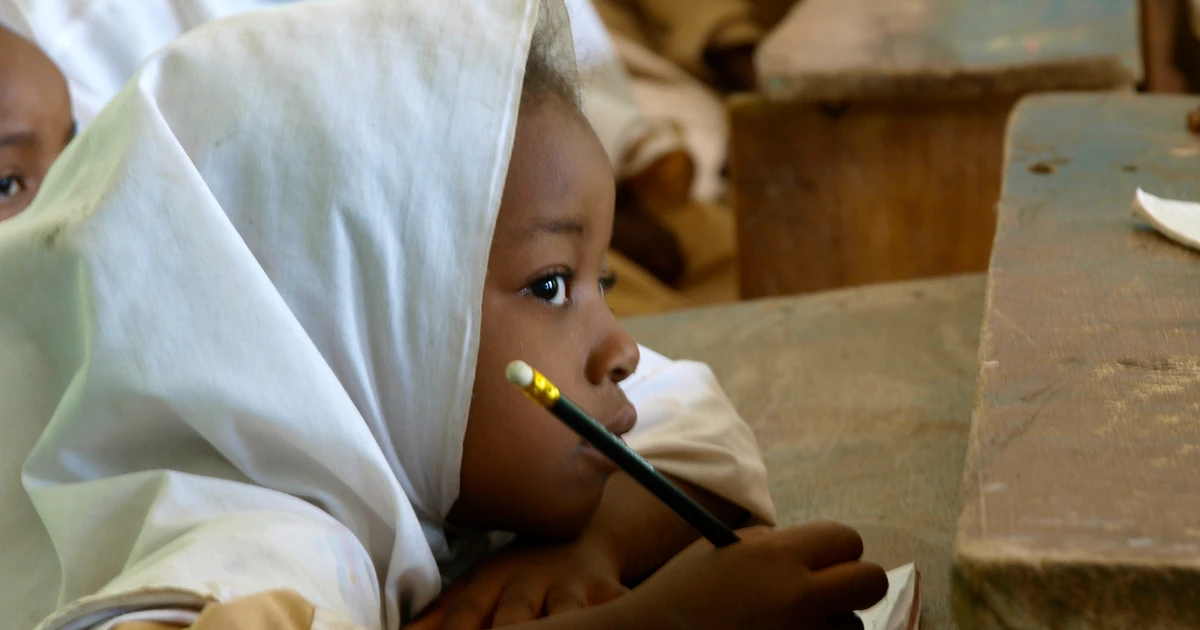

In Finland, globally celebrated for its public school system, home education (kotiopetus) remains an esteemed constitutional right under Section 16 of the Constitution of Finland (Suomen perustuslaki). Finnish law enforces compulsory education (oppivelvollisuus) rather than compulsory school attendance (koulupakko). When neurodivergent students or children with chronic health challenges experience burnout in mainstream classrooms, transitioning to kotiopetus allows families to craft an individualized, restorative learning rhythm.
Navigating special needs home education in Finland requires understanding the national three-tiered support framework (kolmiportainen tuki) and how it informs the supervisory duties of the municipality’s supervising teacher (tutkiva opettaja).
The Three Tiers of Support (Kolmiportainen Tuki) at Home
The Finnish educational model organizes learning support into three sequential tiers. When educating at home, understanding these tiers helps parents articulate their pedagogical strategy during municipal progress reviews:
- General Support (Yleinen tuki): Everyday classroom differentiation, flexible pacing, and multisensory materials. In kotiopetus, this represents the baseline 1-on-1 pedagogical tailoring that every homeschooling parent naturally provides.
- Intensified Support (Tehostettu tuki): Targeted pedagogical interventions based on an official learning plan (oppimissuunnitelma), incorporating remedial phonics, visual schedules, and specialized math manipulatives.
- Special Support (Erityinen tuki): Comprehensive individualized education based on an official administrative decision and an Individualized Educational Plan (Henkilökohtainen opetuksen järjestämistä koskeva suunnitelma - HOJKS). In this tier, academic objectives in specific subjects are legally individualized (yksilöllistetty).
| Support Level | Public School Implementation | Kotiopetus Implementation | Tutkiva Opettaja Evaluation Benchmark |
|---|---|---|---|
| Yleinen Tuki (General) | Classroom teacher adjustments | Flexible home pacing & custom schedule | Standard national core curriculum objectives (OPS) |
| Tehostettu Tuki (Intensified) | Special education teacher consultation | Targeted multisensory curricula & sensory breaks | Progress assessed against parent’s home learning plan |
| Erityinen Tuki (Special) | Official HOJKS decree; special class placement | Fully individualized curriculum goals per subject | Progress assessed strictly against modified HOJKS milestones |
When a home-educated student holds a recognized need for erityinen tuki, the municipal supervising teacher cannot evaluate them against the standard national curriculum goals for their age. The evaluation must be anchored in the student’s individualized capabilities as defined in their HOJKS or private clinical diagnostic reports.
Navigating the Tutkiva Opettaja Progress Review
Under Section 26 of the Basic Education Act (Perusopetuslaki), the municipality of residence has a statutory duty to monitor the progress of home-educated students. The municipality appoints a supervising teacher (tutkiva opettaja), who meets with the family once or twice each school year.
For special needs students, the progress review should be a collaborative, supportive dialogue rather than an intimidating examination. To ensure a productive evaluation:
- Establish Trust Early: Share your child’s diagnostic evaluations and past learning history with the tutkiva opettaja prior to the initial meeting.
- Present Diverse Evidentiary Formats: Neurodivergent children who shut down during direct oral questioning can demonstrate progress through photographic scrapbooks, video presentations, audio recordings, or completed craft and coding projects.
- Emphasize Emotional Well-Being: Highlight reductions in anxiety, improved sleep quality, and restored confidence since transitioning to home education. In Finnish pedagogy, pupil well-being (hyvinvointi) is considered the essential prerequisite for all learning.
Accessing Therapy and Assistive Devices via Kela
While Finnish municipalities are relieved of the duty to provide free textbooks or classroom aides to home-educated students, medical and rehabilitative therapies remain fully accessible through the Social Insurance Institution of Finland (Kansaneläkelaitos - Kela).
Under Kela’s Medical Rehabilitation for Persons with Severe Disabilities (Vaativa lääkinnällinen kuntoutus):
- Speech therapy (puheterapia), occupational therapy (toimintaterapia), and physiotherapy prescribed in a public central hospital rehabilitation plan (kuntoutussuunnitelma) are 100% financed by Kela.
- Therapists can conduct weekly therapy sessions in the family home or at private therapeutic clinics during normal school hours.
- Specialized communication software, adapted computer hardware, and sensory regulation tools can be loaned through regional central hospital assistive device units (apuvälineyksikkö).
Step-by-Step Guide: Managing Special Needs Kotiopetus
Follow this roadmap to establish an approved, compliant special needs home education program in Finland:
- Submit Written Notification of Kotiopetus: Notify your municipal education office (opetustoimi) in writing that your child will complete compulsory education via home instruction.
- Obtain Clinical and HOJKS Documentation: Gather all prior hospital rehabilitation plans, psychiatric evaluations, and school HOJKS documents to substantiate special educational needs.
- Formulate an Individual Home Learning Plan: Draft a clear, realistic home study plan emphasizing functional numeracy, reading comprehension, and life skills.
- Coordinate Collaboratively with the Tutkiva Opettaja: Agree in advance on the date, format, and evidentiary materials for the annual progress review meeting.
Frequently Asked Questions: Special Needs Kotiopetus in Finland
Can the municipality revoke my right to homeschool a special needs child?
No. Under Finnish law, the right to home educate is absolute. The municipality cannot prohibit home education in advance. Only in extreme cases where a student completely fails to make progress and parents refuse all cooperation can the municipality issue a decision that compulsory education is neglected, which can be appealed to the Administrative Court (Hallinto-oikeus).
Can home-educated students earn an official Primary School Leaving Certificate?
Yes. A home-educated student can sit an individual subject examination (erityinen tutkinto) organized by a designated municipal comprehensive school to receive an official, graded leaving certificate (päättötodistus) for admission into upper secondary school (lukio) or vocational college (ammatillinen oppilaitos).
Does Kela pay child home care allowances during kotiopetus?
Standard child home care allowances (kotihoidon tuki) end when a child turns three. However, parents caring for a child with long-term illness or disability can claim Kela’s Disability Allowance for Persons Under 16 (alle 16-vuotiaan vammaistuki).
Key Documentation Checklists for Finnish Progress Reviews
Ensure your home education documentation includes:
- An up-to-date copy of your written kotiopetus notification and municipal acknowledgment letter.
- The child’s individualized home learning plan outlining modified goals and weekly routines.
- Diagnostic assessments from hospital pediatric teams or private neuropsychologists.
- A portfolio of dated work samples, project photos, and reading logs demonstrating meaningful progress.
Disclaimer: This post is for informational and educational purposes only, accurate to the best of our knowledge at publication. It does not constitute advice. We do not guarantee accuracy or completeness and accept no liability for any decisions or losses resulting from reliance on this content.